CAP’s highest cadet achievement
The General Carl A. Spaatz Award recognizes cadets who complete the highest level of the Civil Air Patrol Cadet Program. A typical recipient spends about five years progressing through sixteen achievements that develop self-discipline, personal responsibility, persuasive leadership, character, physical fitness and aerospace knowledge.
The final examination combines comprehensive leadership and aerospace tests, a character essay requiring moral reasoning, and a demanding fitness assessment. Passing all four portions advances the cadet to cadet colonel. Fewer than one-half of one percent of CAP cadets earn the award. More than 2,668 recipients had earned it as of September 2026.
Douglas C. Roach of Michigan became the first recipient on January 25, 1965, and later flew with the U.S. Air Force Thunderbirds. TSA keeps the national roster by award number and date so recipients, families, units and historians can preserve this legacy.
From proficiency to the triple diamonds
- 1949–1964The Cadet Certificate of Proficiency serves as CAP’s early cadet capstone. Read the COP history.
- 1964CAP introduces a new progressive Cadet Program and names its highest cadet honor for General Carl A. Spaatz.
- January 25, 1965Douglas C. Roach receives Spaatz Award No. 1, beginning the numbered national record.
- 1964–1979Eligible Spaatz recipients can continue to the Colonel Frank Borman Falcon Award through advanced education or CAP service. Read the Falcon history.
- 1994Seventy-four Spaatzen gather in New Orleans for the award’s 30th anniversary, the first Gathering of Diamonds, and form The Spaatz Association.
- 2007TSA creates a membership category for COP recipients.
- September 2026More than 2,668 recipients, and the record keeps growing.
General Carl A. “Tooey” Spaatz
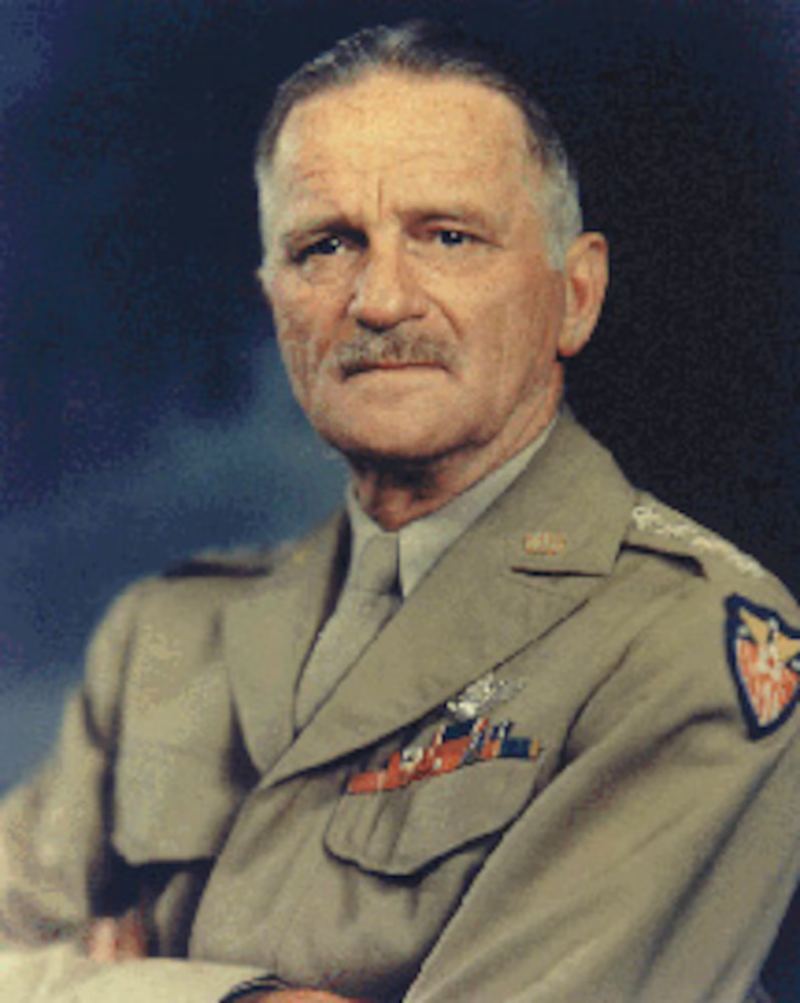
Spaatz graduated from the U.S. Military Academy in 1914, entered aviation soon afterward, and flew in combat in World War I. His career followed American military aviation from a small Army specialty to an independent armed service.
In January 1929 he commanded the Question Mark endurance flight, whose crew stayed airborne for more than 150 hours through repeated aerial refueling. In World War II he commanded major American air forces in North Africa and Europe, led U.S. Strategic Air Forces in Europe, and later commanded strategic air operations in the Pacific.
President Truman appointed him the first Chief of Staff of the independent U.S. Air Force in September 1947. After retiring in 1948, he became the first chairman of Civil Air Patrol’s National Board.
The recipient record
The roster lists every recipient by award number and date. It downloads as a spreadsheet file you can sort and search.
Earlier capstone awards
1949–1964
Cadet Certificate of Proficiency
The forerunner of the Spaatz Award, with the surviving recipient record.
1964–1979
Colonel Frank Borman Falcon Award
The award that followed the Spaatz, with the recipient record.